

WindEurope has issued a press release highlighting the wind sector’s commitment to sustainable end-of-life solutions for turbine blades.
This discusses progress in recycling, recovery and reuse of decommissioned blades, but also the anticipated growth in blade waste and challenges to achieving full circularity.
Recycle, recover, reuse
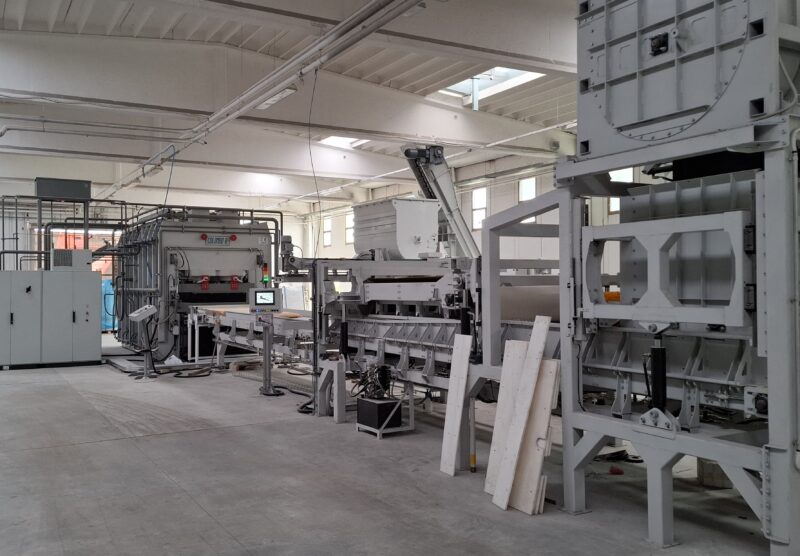
In 2021 the wind industry committed to re-use, recover, or recycle 100% of decommissioned blades. WindEurope reports that since then, recycling technologies have advanced significantly, making it possible to convert the composite materials inside wind turbine blades into market-quality products. It also say where full circularity is not economically viable yet, recovery – extracting energy or materials from waste – is a way forward. Cement co-processing, for example, offers a sustainable solution. Many projects are also demonstrating how decomissioned blades can be used to make new, useful structures.
However, WindEurope warns that thousands of smaller wind turbines will reach the end of their operational life in the coming years, resulting in a noticeable increase in the volume of waste. By 2030, Europe is expected to generate over 50 kilotonnes of end-of-life blade waste. Around 14,000 blades are projected to be dismantled, amounting to between 40,000 and 60,000 tonnes of material.
Scaling up sustainable recycling and repurposing solutions, such as those being developed in REFRESH, is essential to transform these materials into useful new products and applications.
Challenges
In the press release WindEurope urges EU policymakers to convert EU waste directives into regulations to ensure consistent application across Member States and establish the necessary waste codes for wind-specific end of life materials in the European List of Waste and Waste Shipment Regulation.
“One of the biggest challenges today is that waste from end of life wind turbine blades is not clearly labeled,” it says. “Blades and other components often get mixed in with general construction waste. This makes it difficult to track what happens to them – and even harder to collect, sort, and recycle them properly. Without clear classification, these valuable materials risk being lost or mismanaged.”
In the meantime, WindEurope is leading a voluntary reporting initiative to track blade waste volumes and disposal methods across Europe. This is designed to collect annual data on key indicators such as the number of turbines decommissioned and the amount of blade waste diverted from landfills.
Read the press release No blade left behind: the wind sector’s commitment to sustainable blade solutions.
REFRESH participates in WindEnergy Hamburg as member of Wind Innovation Cluster Hub
REFRESH at WindEnergy Hamburg 2026